Cupping therapy has been used for thousands of years across Chinese, Roman, and Arabic cultures, yet its relevance has never been greater. As modern therapists work with increasingly complex musculoskeletal presentations, cupping has become a powerful complementary technique for improving soft-tissue function, reducing pain, and enhancing therapeutic outcomes.
For qualified massage therapists looking to expand their skillset, the Cupping Therapy CPD Course at The School of Natural Therapies provides a focused, practical introduction to fire cupping and its application within a clinical or holistic setting.
Why Cupping Therapy Remains an Essential Skill for Modern Practitioners
Although rooted in ancient practice, cupping has firmly established itself within modern sports therapy, remedial massage, and clinical bodywork. Professionals across the healthcare spectrum now use cupping to address:
- Muscular imbalances
- Restricted fascia
- Postural dysfunction
- Soft-tissue pain in the shoulders, hips, lower back, and limbs
Understanding the physiological effects of cupping—including circulatory response, tissue engagement, and the influence on the fascial network—helps therapists deliver more targeted treatments and achieve quicker improvements for clients.
The Cupping Therapy CPD Course explores these mechanisms in detail, giving learners both theoretical clarity and hands-on practical skill.
What You Will Learn on the Cupping Therapy CPD Course
This one-day, FHT-accredited course covers everything you need to safely and confidently integrate fire cupping into your massage treatments.
Learners explore:
- Why fire cupping is used in musculoskeletal therapy
- Physiological effects, side effects, and after-care guidance
- Contra-indications, cautions, and safe practice
- The functional relationship between cupping and the fascial network
- Joint movement considerations
- Treatment strategies for improving presenting symptoms
Techniques are demonstrated and practised across multiple regions, including:
- Upper and lower back
- Shoulder and neck
- Glutes and hip complex
- Quads, hamstrings, and ITB
- Knee and elbow
A review of key muscle anatomy supports practical application, ensuring therapists use cupping precisely and purposefully.
Who the Course Is Designed For
The course is suitable for:
- Qualified massage therapists
- Level 3 practitioners or above with a UK-recognised qualification
- Therapists wishing to add a highly effective musculoskeletal tool to their practice
If you work with clients experiencing tension, mobility limitations, or chronic soft-tissue pain, cupping can significantly enhance the results you achieve.
A Practical, Supportive Learning Environment
The course includes:
- A comprehensive manual exclusive to The School of Natural Therapies
- FHT-accredited certification
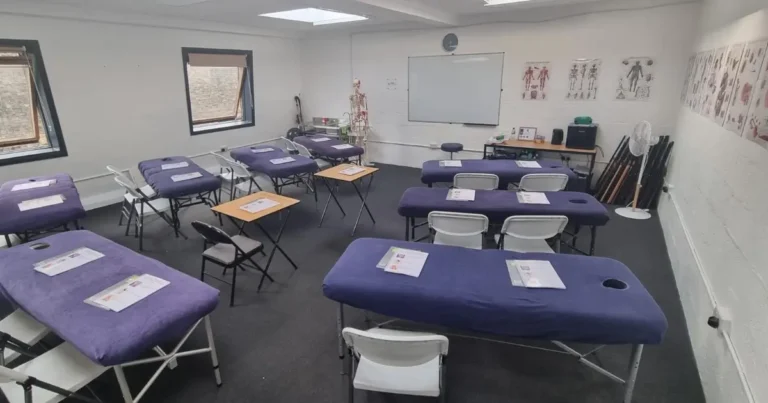
- A relaxed and friendly classroom environment
- Practical assessment to ensure confidence in technique
- CPD points recognised by insurers and professional associations
Learners also have the opportunity to purchase cupping equipment, with guidance provided by the tutor.
Why Cupping Enhances Your Massage Practice
Therapists who integrate cupping often report:
- Greater treatment versatility
- Improved soft-tissue release without increasing strain on their own hands
- Enhanced outcomes for clients with chronic tightness or functional imbalance
- The ability to combine cupping with deep tissue work, sports massage, or remedial techniques
It is an ideal progression route for therapists who have completed qualifications such as the ITEC Level 3 Diploma in Massage, the BTEC Level 5 Diploma in Clinical Sports & Remedial Massage, or those working within spa, sports, and clinical environments.
Strengthening Your Professional Development
Cupping therapy can be a valuable addition whether you work in:
- Private practice
- Clinical and remedial settings
- Spa and wellness environments
- Sports teams or rehabilitation
- Mobile or home-based practice
For therapists looking to diversify their treatment offerings, enhance client outcomes, or simply expand their CPD portfolio, this course is a highly practical choice.
If you are exploring broader career pathways, you may also find guidance in: Why Become a Qualified Massage Therapist?
Take the Next Step
If you are ready to integrate a results-driven, historically proven, and increasingly in-demand modality into your practice, secure your place on the course:
For spa managers and team leaders interested in team training, explore: Massage Training for Teams