Working as a spa therapist is one of the most rewarding careers in the wellbeing sector. It blends hands-on therapeutic skill with customer care, and offers opportunities to work in spas, luxury hotels, cruise ships, wellness centres, resorts, health clubs, and destination retreats around the world.
If you enjoy helping people feel better, have a calm and caring nature, and are drawn to the wellness industry, this guide explains exactly how to become a spa therapist and how to choose the right training pathway.
At The School of Natural Therapies, we train complete beginners and experienced therapists alike. Whether you are starting from scratch or upskilling to meet modern spa standards, these are the steps that will get you there.
Step 1: Understand What a Spa Therapist Actually Does
Spa therapists do far more than provide relaxation-based treatments. Employers expect a combination of technical skill, professionalism, and confidence across multiple treatment types.
Typical responsibilities include:
- Delivering full body massage, deep tissue massage, and hot stone therapy
- Providing facials and skincare treatments
- Understanding contraindications, health & safety, and client care
- Maintaining excellent service standards and guest experience
- Adapting techniques to suit client needs and spa protocols
- Working effectively within spa teams and contributing to a premium environment
Modern spas often require therapists to demonstrate practical competence during a trade test, which is why targeted training is essential.
Step 2: Choose a Recognised Qualification
To work professionally as a spa therapist, especially within reputable spas, you need a qualification that employers know and trust.
The most comprehensive route for beginners is the:
Level 3 Awarded Spa Therapy Diploma Course
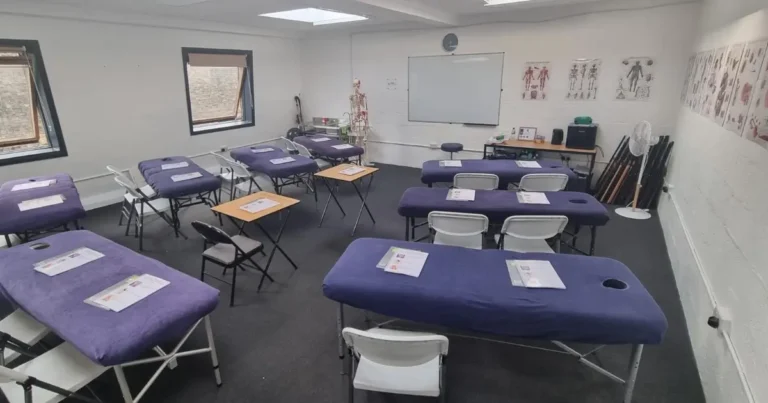
This programme was developed alongside spa managers and reflects the real-world expectations of today’s spa industry. It prepares learners for trade tests, interviews, and the day-to-day demands of working in a spa environment.
What this diploma includes
- Full Body Massage
- Advanced Massage and Deep Tissue Techniques
- Anatomy, Physiology & Pathology
- Facials and Facial Skincare
- Hot and Cold Stone Massage
- Professional standards, client care, and spa readiness
- A guided visit to a working London spa
- Support preparing for employment and agency work
It is an ITEC/VTCT awarded Level 3 Diploma, respected across the UK and internationally.
There are no entry requirements, making it suitable for complete beginners who want a practical and vocational start to their career.
Step 3: Build Core Spa Skills Through Comprehensive Beginner Training
Because the Level 3 Awarded Spa Therapy Diploma Course is designed specifically for beginners, you do not need any prior experience. The programme teaches all the essential skills from the ground up, combining practical techniques with the theoretical knowledge required for safe and effective practice.
A key strength of this course is that Anatomy, Physiology & Pathology is fully built into the qualification. This means you will learn:
- How the body works
- Common conditions and contraindications
- How to assess client needs safely
- The science behind each treatment you deliver
This APP knowledge underpins every practical skill you will learn: massage, facials, deep tissue techniques, and hot stone therapy so that you graduate with a complete understanding of both technique and clinical safety.
Because the course is structured as a complete beginner-to-therapist pathway, you will develop:
- Strong foundational massage skills
- Safe technique and body mechanics
- A full repertoire of spa-standard treatments
- Confidence in client care, consultation, and professional practice
There is no need to take a separate prerequisite; everything you need to begin your career as a spa therapist is included within the programme.
Step 4: Practise, Refine, and Prepare for Spa Trade Tests
Spa employers commonly assess:
- Massage pressure and flow
- Professional draping and towel management
- Client communication
- Posture and therapist biomechanics
- Confidence in delivering standard spa treatments
The Spa Therapy Diploma specifically prepares learners to pass these assessments with confidence. You will practise under supervision, refine techniques, and receive the guidance needed to perform well in interviews and trade tests.
Step 5: Gain Experience and Continue Upskilling
Once qualified, you can begin working as a spa therapist immediately. Many graduates begin in:
- Day spas and wellness centres
- Luxury hotel spas
- Beauty salons
- Health clubs and boutique studios
- Resort and destination spas
As your confidence grows, advanced training will enhance your employability and breadth of service.
Useful CPD for spa therapists:
- Pregnancy & Postnatal Massage in Spas
- Advanced Deep Tissue Massage for Spa Teams
- Injury Prevention and Hands Free Massage
- Diploma in Oncology Massage & Cancer Care for Spa Teams
These courses help therapists maintain safe posture, enhance technique, work with specialist populations, and expand their skill set for career progression.
You can explore all team-focused training here: Massage Training for Teams
Step 6: Know What Spa Managers Are Looking For
Because this pathway was built in collaboration with spa employers, we understand the standards they expect from a newly trained therapist.
The most valued attributes include:
- Consistently high treatment quality
- Professional presentation
- Strong client care skills
- Reliability and time management
- Understanding of contraindications and safe practice
- Ability to adapt pressure and techniques
- Confidence during trade tests
The Spa Therapy Diploma directly supports learners in meeting these expectations, and our relationships with spa managers often lead to recruitment opportunities for successful graduates.
If you want to learn more about the industry, these posts are helpful supporting reads:
- Why Book with The School of Natural Therapies?
- Our Affiliations: Ensuring Quality and Recognition in Massage Therapy
Step 7: Take the Next Step – Secure Your Place
If becoming a spa therapist is your goal, the most important action you can take is to secure a place on a recognised, employer-approved programme.
Start here:
For individuals
Level 3 Awarded Spa Therapy Diploma Course
For spa managers
We offer tailored training for spas, hotels, and wellness groups, including deep tissue, oncology massage, pregnancy massage, and injury prevention programmes.
Final Thoughts
Becoming a spa therapist is a fulfilling and practical career choice that blends therapeutic skill with human connection. With the right training, you can join an industry offering stability, flexibility, and opportunities worldwide.
Whether you are beginning your journey or preparing your team for advanced roles, The School of Natural Therapies is here to support you at every stage with accredited qualifications, exceptional tutors, and a long-standing reputation for excellence.